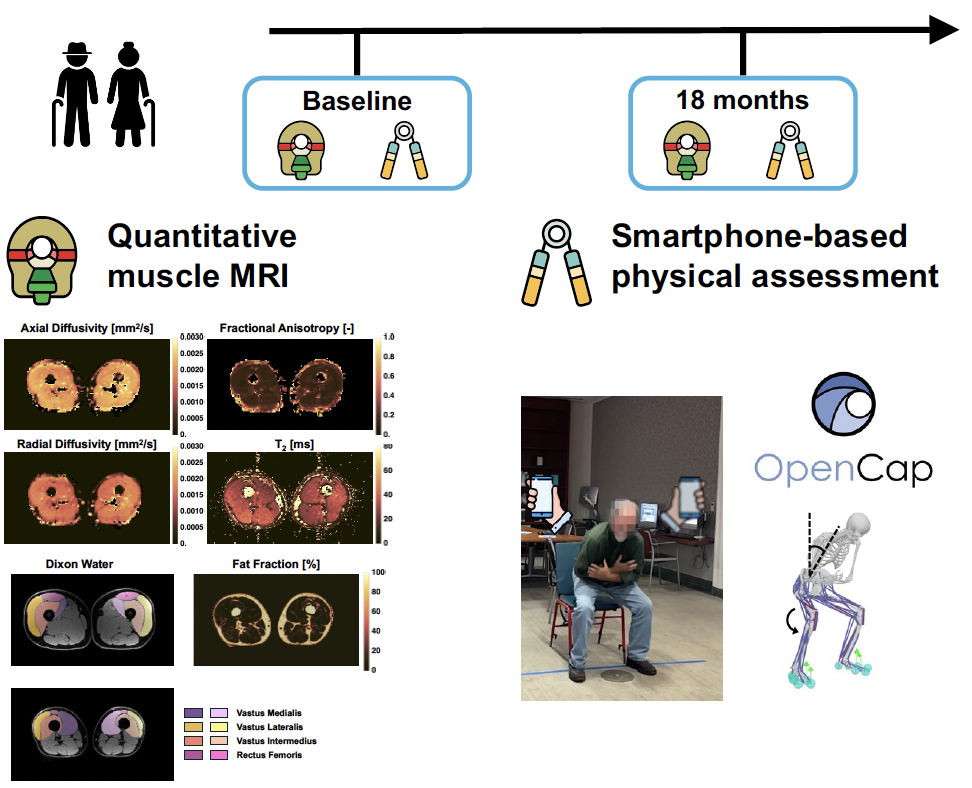
This project develops and validates advanced quantitative MRI techniques to assess compositional and structural changes in skeletal muscles of older adults and determine how these changes predict future declines in muscle strength and function.
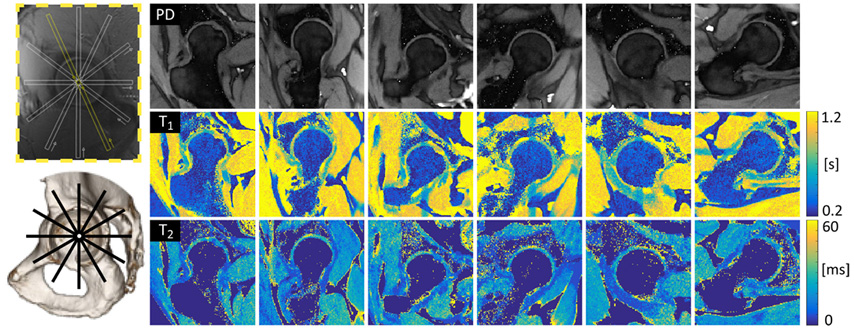
This project aims to develop advanced, translation-ready quantitative MRI and radiomics methods to improve early diagnosis and evaluation of femoroacetabular impingement (FAI), enabling more reliable and reproducible assessments than standard radiologic approaches.
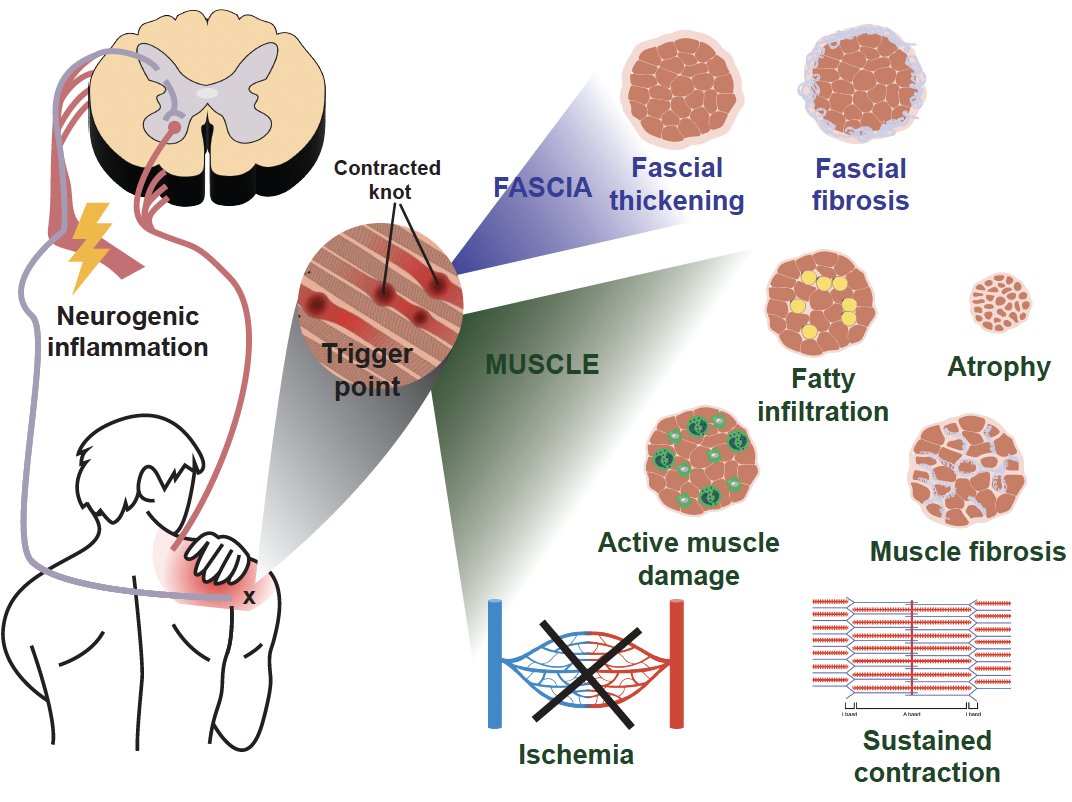
This project aims to develop PET and MRI techniques to identify novel imaging biomarkers of myofascial tissue damage and associated inflammatory mediators, providing objective measures of trigger points and the sources of pain to improve the diagnosis, characterization, and management of myofascial pain syndrome.
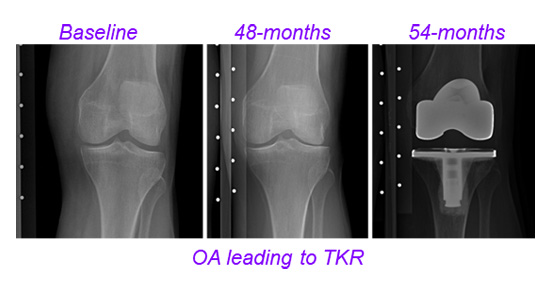
This project develops and validates deep-learning models that analyze clinical and imaging data to predict individuals' five-year risk of knee osteoarthritis progression and total knee replacement, aiming to enable early intervention and personalized treatment.
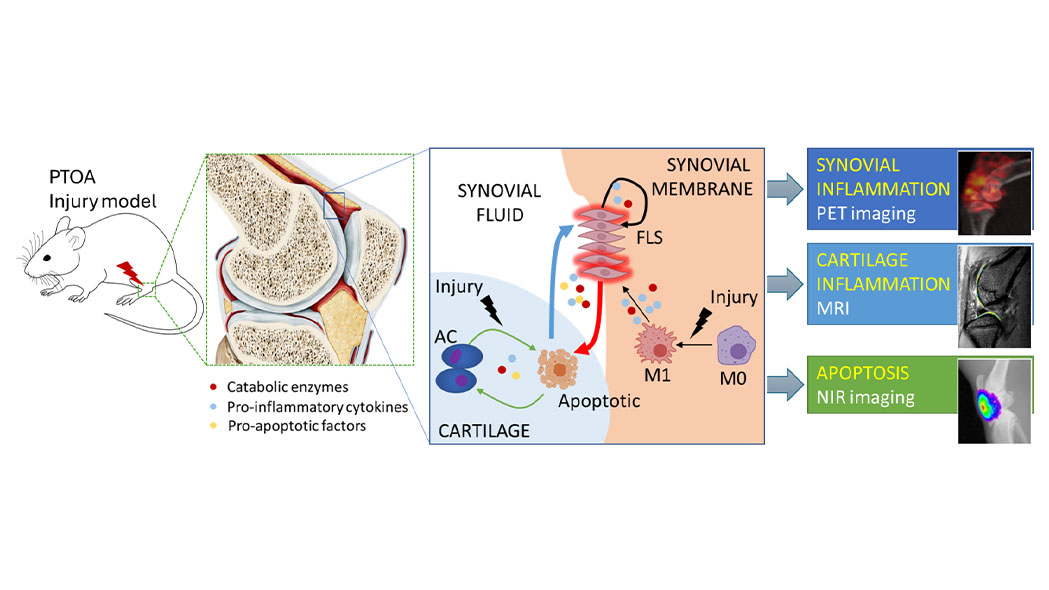
This project investigates the interplay between inflammation and apoptosis in post-traumatic osteoarthritis (PTOA) using in vitro and in vivo methods to develop therapeutic strategies that target both pathways and prevent disease progression.